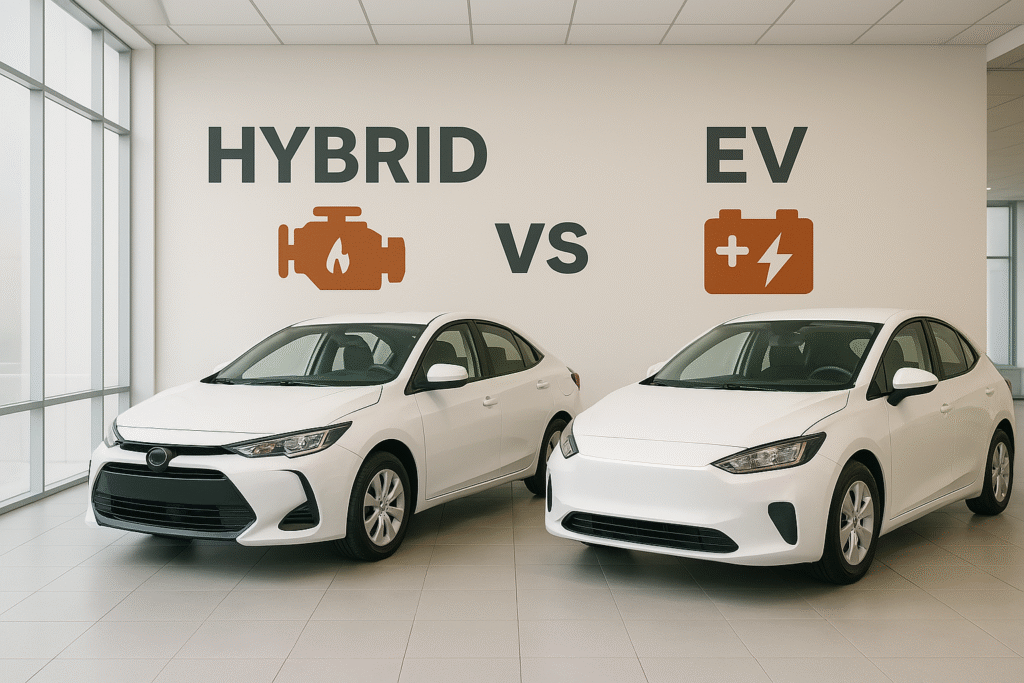
Hybrid vs EV: What’s Better for High-Mileage Drivers?
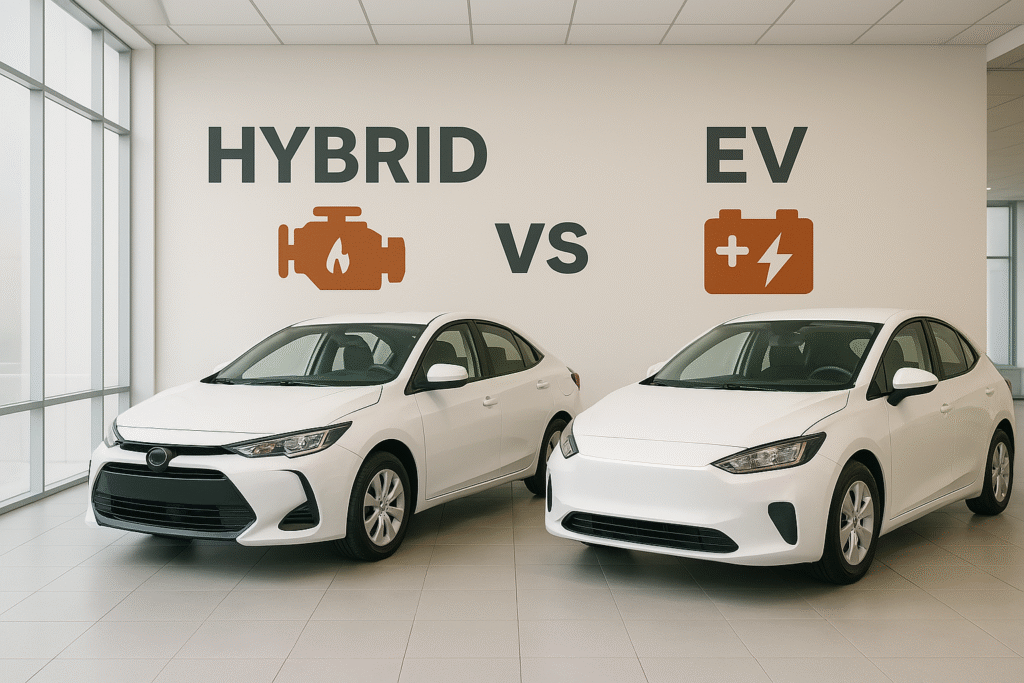
You are not seeking a good car: you want a car that will take you a long way with minimal repairing cost, inconvenient charging points and long hours spent in the garage.
Therefore, when it comes to choosing 2025 cars—either hybrid or EV—what is more suitable to high‑mileage owners?
I spent years working as a mechanic, repairing both hybrid and electric drive trains. Here, in no‑holds‑barred form, I give you my bare, dirty, under‑the‑hood opinion based on the real‑world reliability of cars, long‑term costs of ownership, battery life, and usability in long‑term travel.
The Essential Diversities between Hybrids and EVs
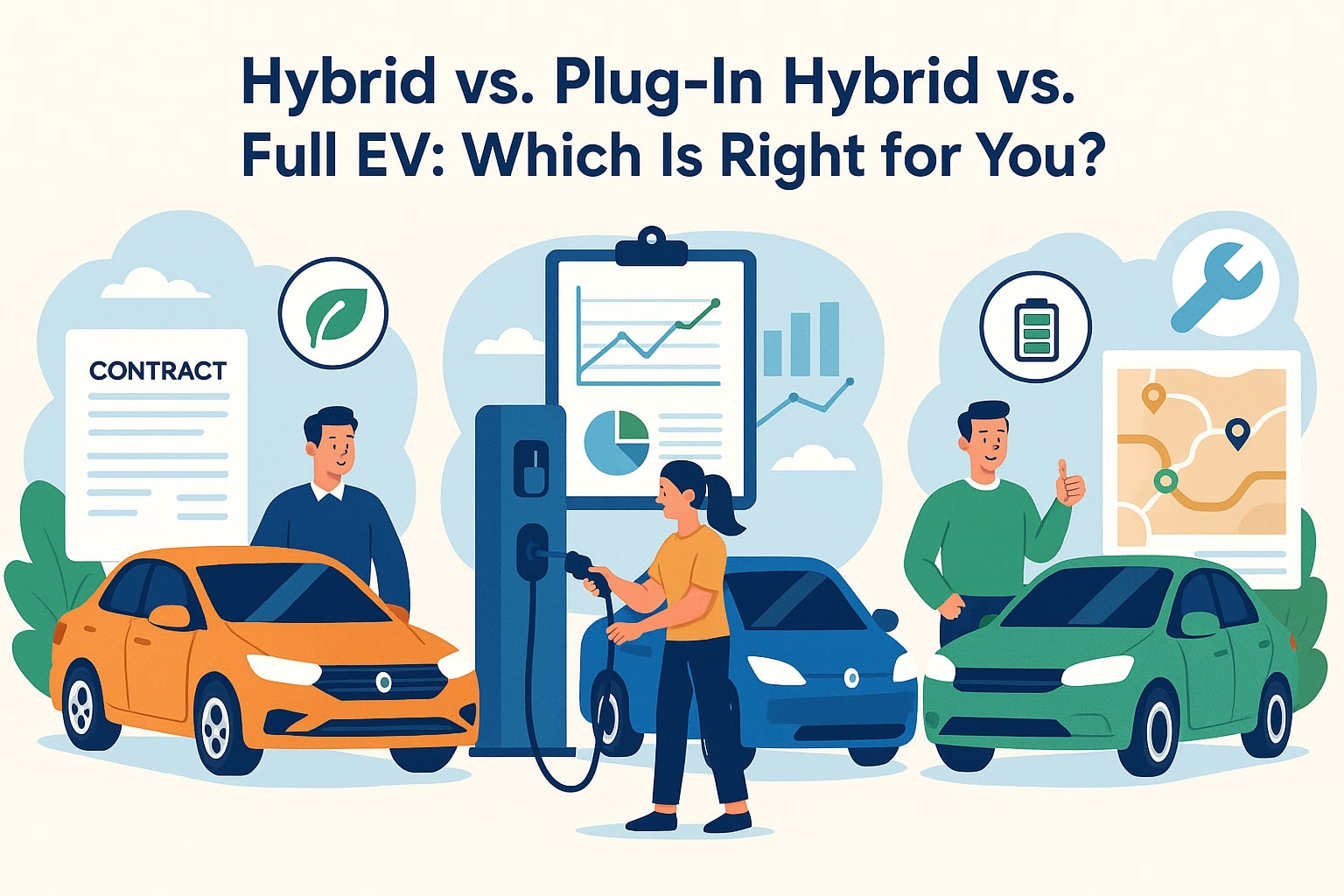
| Feature | Hybrid (HEV) | Electric Vehicle (EV) |
|---|---|---|
| Fuel Source: Gasoline and Electric Motor | Gasoline + electric motor | 100 percent battery electric |
| Charging | Not required / regenerative only | Home charging required + public coverage required |
| Range | 500 to 700+ miles | 200 to 400 miles (real world varies) |
| Maintenance | A limited number of engine parts to maintain | More complex electronics, fewer moving parts |
| Best Suited | Highway and mixed‑use, low fuel cost | Short distance trips, urban driving, low‑emission objectives |
The best excuse I can think of to recommend Hybrids to high‑mileage drivers is the fuel economy.
🔋 1. Unlimited Range — No Charging delay
In case you commute long distances on a daily or weekly basis, hybrids get rid of range anxiety. There are gas filling stations everywhere and you can drive 600+ miles without batting an eyelid.
Mechanic’s take:
Hybrid systems by Toyota and Honda have been confirmed to last beyond 250K miles. Not to mention, no battery recharge delay—fill the tank and within 5 minutes, you are back on the road as opposed to the 45 minutes for EV fast‑charging.
💰 2. Reduced Risk of Repair & Downtime
A long‑range resilience is incorporated in hybrid construction. Hybrids operate at a neutral load between gas and electric systems, hence wear of each component is reduced.
- Under 150,000 miles, very few hybrid inverters or battery failures
- Regenerative braking increases brake life
- Service consists mainly of fluids and filters
- Cost to own: Removing and replacing a hybrid battery after 150K–200K miles is < $2,000 in most models
🔄 3. Low Battery Degradation
Hybrids experience no extreme charge cycles like EVs because they rely on regenerative braking and have smaller batteries. This results in less degradation, particularly in harsh climates.
Where EVs Are Worthwhile to Certain Extreme‑Mileage Users
EVs still shine for some drivers:
- If you use 150–250 round‑trip miles each day
- Provided you can charge at home overnight
- If your region has cheap electricity
- Tesla, Hyundai, and Lucid EVs can be superb for regular commuters with fast DC charging access
Why EVs Are Not Enough for High‑Milers (in 2025)
- ⏱️ Charging Time Is Not Over Yet
- Even with fast chargers, topping up takes 20–40 minutes, which adds up over multiple stops.
- ❄️ Real‑World Range Falls Dramatically
- Cold weather
- AC/heater use
- High speeds or elevation gains
- “My EV told me it was 300 miles. I scored 210 on the freeway with heat on.”
- 🧰 Repairs Take More Time and Are More Expensive
EVs require:- Software updates
- Battery thermal‑system service
- EBS resets
- Dealer‑only repairs
- Shop reality: EVs spend more time waiting for parts or updates.
Level: What Is Best for High‑Mileage Drivers?
| Category | Winner | Reason |
|---|---|---|
| Long highway commute | Hybrid | More range, faster fill‑ups, high‑speed MPG ratings |
| Predictability of maintenance | Hybrid | Easy service, fewer part back‑orders |
| Easy charging | Hybrid | Never needs it at all |
| Long‑term ownership | Hybrid | Less expensive to maintain/repair over 150K+ miles |
| Environment‑friendly short trips | Electric vehicle (with conditions) | Ideal when you can charge at home and commute a routine loop |
Final recommendation of mechanic
If you drive more than average and care about:
- Efficiency
- Low hassle
- Dependability
- Minimal downtime
…go hybrid. Ideally choose Toyota, Lexus, Honda, or Hyundai with proven track records.
EVs are fantastic, but only if your daily driving is predictable and you can charge overnight—without relying on public infrastructure.
✅ Conclusion
To cover large distances, high reliability is required. In 2025, hybrids still provide the most logical, tension‑free solution for drivers who pound their odometers.