Which EV Brands Offer the Best Service Support in 2025?
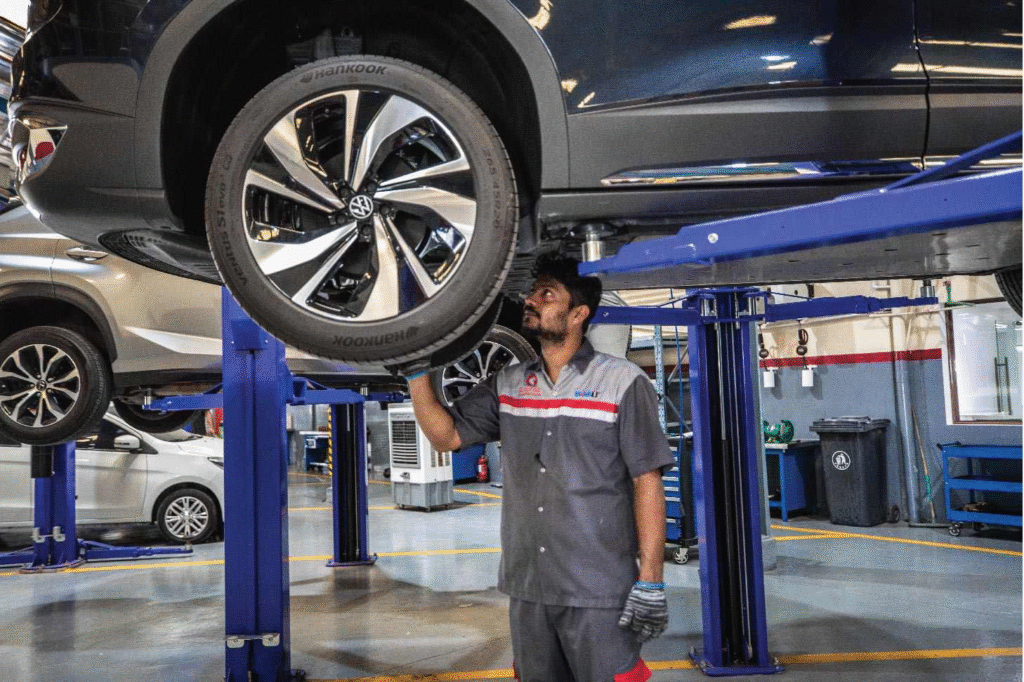
You’ve done the homework, selected your EV, and envisioned your first emission‑free, quiet drive. What if something goes awry, though? Service support is the quiet killer—you won’t be thinking about it until your touchscreen fails, a charging port won’t close, or a sensor fault immobilizes you from accessing fast charging.
In 2025, not all EV brands are created equal when it comes to after‑sales service. Some offer seamless diagnostics, fast part replacements, and accessible dealer networks. Others? You’ll wait weeks for parts, or worse, find that only one shop in your state is certified to handle your repair.
As someone who’s serviced both dealership and independent EV service bays, here’s my analysis of which EV brands actually support their technology in the real world—and which make things more difficult than they should be.
🛠️ What Does “Good EV Service Support” Really Look Like?
Good EV service involves:
- Certified technicians within driving range
- Reasonable diagnostic and labor rates
- Rapid availability of parts
- Reliable software refreshes and updates
- Distinct battery and drivetrain warranty procedures
It also implies the vehicle was constructed to be service‑friendly—not glued together, software‑locked, or reliant on hard‑to‑find parts.
1. Hyundai & Kia – Strongest Mass‑Market Brand Support
Why they rank #1:
Hyundai and Kia aren’t only producing great EVs—they’ve invested in cross‑country training, parts distribution networks, and warranty transparency. From the Ioniq 5 to the EV6, repairs typically take 3–5 business days, and there are extensive dealer networks throughout the U.S., EU, and Asia.
Mechanic’s take:
The E‑GMP platform is modular. Battery cooling issues, suspension noises, or software tweaks? I can handle those without factory‑exclusive tools. And they actually take tech‑line calls when you need escalation.
2. Tesla – Quicker Service… If It Functions
Why it’s mixed—but powerful:
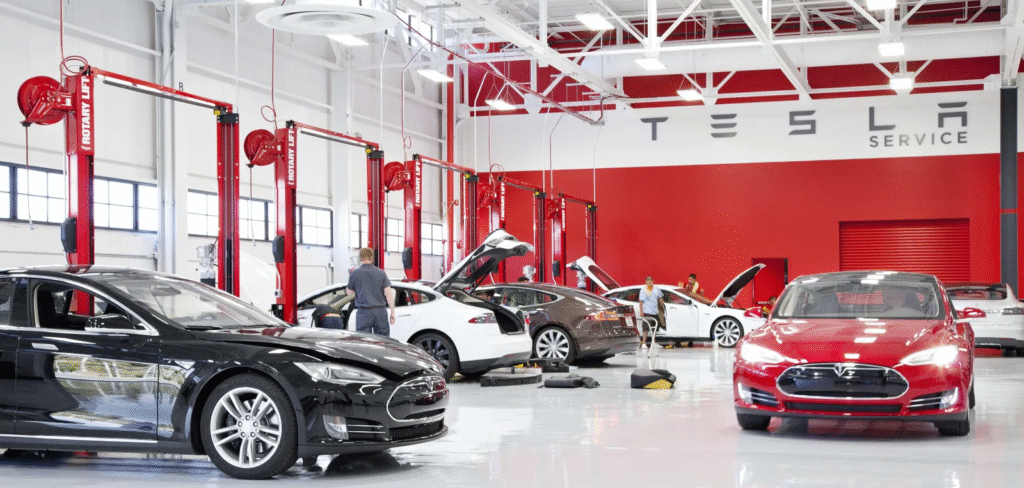
Tesla’s mobile technicians and app‑based service booking are sleek, and diagnostics are best‑in‑class. For routine repairs (sensors, actuators, screens), they’re fast. But when it gets complex—like underbody damage or HV battery issues—wait times rise quickly.
Mechanic’s assessment:
Tesla’s vertically integrated platform is wonderful for speed—until you need a body panel or a less‑common part. You’re usually locked into Tesla‑exclusive repair shops. Nevertheless, no brand does quicker remote diagnostics or software‑level support.
3. BYD (Europe & Asia) – Expediting Progress with Dealer Expansion
Why they’re gaining traction quickly:
In Southeast Asia and Europe, BYD’s service network has rolled out aggressively. Authorized centers now provide direct parts pipelines, and battery diagnostic tools are available to specialized independent mechanics.
Mechanic’s perspective:
Blade Battery packs are simple and safe to service. As long as you’re near a partner dealer, turnaround is fast. In remote areas, however, you’ll still face delays.
4. Volvo – Consistent, Conservative, Reliable
Why it matters:
Volvo’s approach to EV service is simple: train your dealers thoroughly and don’t overcomplicate the tech. The EX30 and EX90 are supported by well‑established networks with standardized diagnostic tools.
Mechanic’s take:
Easy‑to‑reach parts, infrequent OTA malfunctions, and a live human on the service line if necessary. If peace of mind matters, Volvo is difficult to beat—particularly in cold climates.
5. Lucid & Rivian – Excellent Tech, But Not So Easy to Reach
What they’re missing:
These startups create next‑generation vehicles, but their limited service footprint means you can expect 2–4 week delays for major repairs. They rely heavily on mobile techs and centralized parts shipping.
Mechanic’s perspective:
Great EVs—but if it breaks down outside a major city, you wait. Diagnostics often involve proprietary software I can’t access on my own.
6. Volkswagen (ID Series) – Part Delays & Software Issues
Why it falls short:
The MEB platform shows promise, but ID.4 and ID.7 owners frequently report sensor faults, infotainment lag, and long waits for basic components. Dealer response varies wildly by region.
Mechanic’s take:
When VW tech works, it’s great. But we’ve had cars stuck in the bay for 10+ days waiting on steering modules or software patches from Germany. They need serious streamlining.
📊 Service Support Brand Ranking (2025)
| Brand | Tech Availability | Parts Access | Software Support | Dealer Coverage | Overall Rating |
|---|---|---|---|---|---|
| Hyundai / Kia | ✅✅✅ | ✅✅✅ | ✅✅ | ✅✅✅ | ⭐⭐⭐⭐⭐ |
| Tesla | ✅✅✅ | ✅✅ | ✅✅✅ | ✅✅ | ⭐⭐⭐⭐½ |
| BYD | ✅✅ | ✅✅ | ✅✅ | ✅✅ | ⭐⭐⭐⭐ |
| Volvo | ✅✅ | ✅✅✅ | ✅✅ | ✅✅ | ⭐⭐⭐⭐ |
| Lucid / Rivian | ✅✅ | ✅ | ✅✅ | ⚠️ (Limited) | ⭐⭐⭐ |
| Volkswagen (ID) | ✅✅ | ⚠️ | ⚠️ | ✅✅ | ⭐⭐½ |
🔧 Mechanic’s Advice for Selecting an EV with Solid Support
- Inquire at your local dealer if they handle EV work in‑house—some farm out battery repairs
- Demand actual turnaround estimates for battery or ADAS repairs
- Avoid models with limited service centers unless you live nearby
- Consult owner forums for part‑availability insights before you buy
- Test OTA update reliability—frequent bugs mean more trips to the shop
Choose wisely and drive worry‑free!