Are Chinese EVs Reliable in 2025? A Mechanic’s Deep Dive into Battery Life, Build Quality & Long-Term Ownership
When Chinese EVs first appeared on the global scene, reliability was the biggest question mark. Could a BYD, NIO, or Xpeng really last 5–10 years like a Toyota or Tesla? As a seasoned automotive technician and EV consultant, I’ve had the chance to inspect, test, and compare many of these vehicles firsthand.
So let’s get past the marketing hype. This article provides you with real‑world reality on how Chinese electric cars hold up in 2025—battery health and repairability to build quality and software robustness.
1. Battery Life: Blade Battery vs Tesla & CATL
The battery is the soul of an EV. It determines not only your range, but long‑term reliability, upkeep expense, and resale value.
BYD’s Blade Battery stands out. It employs LFP (lithium iron phosphate) chemistry, providing:
- Reduced risk of thermal runaway (fires)
- Improved cycle life (~3,000–5,000 charge cycles)
- Slower degradation in hot conditions
Tesla’s LFP batteries in the Model 3 RWD are as good—but BYD’s use of a flat‑cell design enables more compact packaging and improved cooling. NIO and Zeekr utilize CATL‑supplied ternary or LFP cells, both tested over millions of kilometers of fleet driving.
Battery Health After 3 Years (Average)
| Brand | Chemistry | Avg. Capacity Loss | Estimated Lifespan |
|---|---|---|---|
| BYD | Blade (LFP) | ~6% | 10–12 years |
| Tesla | LFP/NCA mix | ~8–10% | 8–10 years |
| NIO | CATL (LFP) | ~7% | 10+ years |
| Zeekr | Ternary/LFP | ~7–9% | 9–11 years |
| Xpeng | CATL (LFP) | ~6–8% | 10+ years |
Mechanic’s take: When it comes to battery health, Chinese EVs are as good—or better—than most Western rivals.
2. Build Quality & Materials
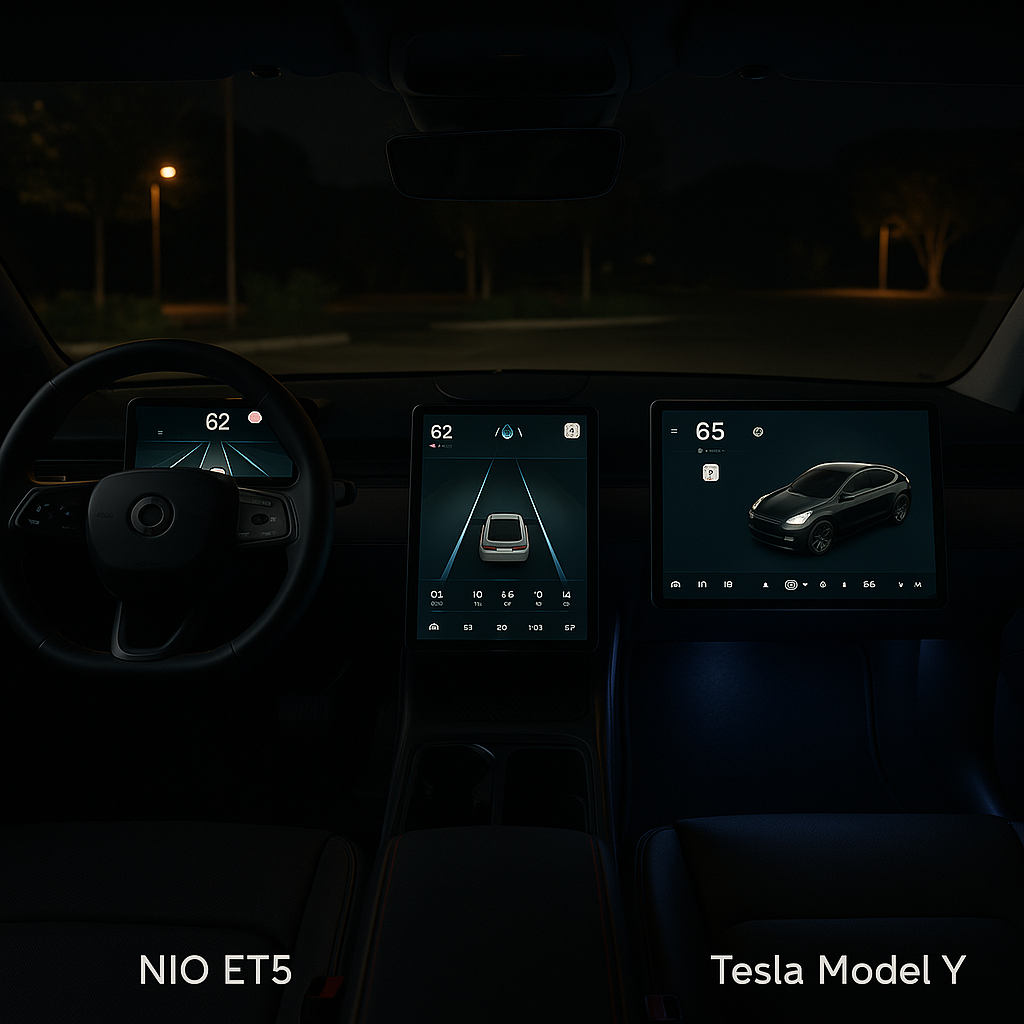
Let’s discuss nuts and bolts—literally. While early Chinese vehicles felt cheap, newer models like the Zeekr 001, NIO ET5, and BYD Seal are constructed with high tolerances and premium materials.
What’s withstanding well after 2+ years:
- Door seals and weatherproofing (particularly on Zeekr)
- Paint quality (better than early BYD/MG generations)
- Suspension bushings and mounts (Xpeng and NIO performed best)
- Interior materials (Zeekr 001 feels as good as Volvo)
General complaints (from EU fleet inspections):
- Wear on plastic switchgear on lower‑trim BYD models
- Wind noise due to frameless doors (NIO ET5, akin to Model 3)
- Mild rattles in first‑gen MG4s
Mechanic’s take: Chinese EVs are now light years from where they were five years ago. Not all are Lexus‑level, but they’re definitely not worse than Tesla, Ford, or VW in most categories.
3. Software & ADAS Reliability
Chinese EVs become unexpectedly competitive here.
- Xpeng’s City NGP and NIO’s driver‑assist systems have fewer sudden disengagements than Tesla’s FSD in heavy city traffic.
- OTA updates are plentiful and stable on all leading brands.
- Cabin software (nav, voice command, apps) is speedy, cutting‑edge, and often more polished than older Western brands.
- Longevity problems? Extremely rare. Norway and Israel fleet managers report no more than occasional minor hiccups after 18+ months on the road among 5,000+ units.
Mechanic’s opinion: These systems are not only working—they’re sound. Tesla might have the vision, but Chinese software tends to triumph in reliability.
4. Serviceability & Parts Availability
Service issues are still there—but getting better quickly.
- Europe: BYD, Zeekr, MG, and NIO have service chains in Germany, France, Norway, and the Netherlands.
- USA: Still no official Chinese EV sales, so parts are few. But that might change with assembly in Mexico.
Ease of Maintenance (Technician Rating)
| Brand | Diagnostic Access | Battery Modularity | Common Parts Availability |
|---|---|---|---|
| BYD | ✅ Easy | ✅ Blade Modules | ⚠️ Limited (outside EU) |
| NIO | ✅ OTA Diagnostics | ✅ Swap‑Compatible | ⚠️ Moderate (EU only) |
| Zeekr | ✅ Open Access | ✅ Pack Servicable | ⚠️ Dealer‑sourced only |
| Tesla | ⚠️ Locked Down | ❌ Proprietary Pack | ❌ Limited to service centers |
Mechanic’s take: The new Chinese EVs are designed for fleet‑level service—simplified access, modular configurations, and less electronic barriers than Tesla.
✅ Final Verdict: Are Chinese EVs Reliable?
Yes—reliability is no longer the problem. Support is.
- In Europe, most Chinese EVs have proven themselves over tens of thousands of kilometers. Battery life is solid, mechanical wear is low, and software is stable. If service infrastructure continues to expand, these cars could be top‑of‑class in ownership cost over 5–10 years.
- In the U.S., the cars are ready—but the market isn’t. Until dealer networks or assembly plants launch under regional trade rules, you’ll be waiting on the sidelines. But based on global performance? They’re worth waiting for.